For A Better Us

September 23, 2021

What’s Your Number?

Do you know what your cholesterol number is? Do you know what your cholesterol numbers mean?

If your answer is no or you aren’t that sure, then you have come to the right place. Numbers regarding our health can be confusing, but it’s also important to know some basics. At the Y, we want to help you feel knowledgeable and confident about your health, including your numbers. In honor of Cholesterol Education Month, let’s learn some truths about cholesterol.


The Importance of Managing Cholesterol

According to the Centers for Disease Control and Prevention (CDC), heart disease is the number one leading cause of death in the U.S. More than one million Americans have a heart attack each year and about 500,000 die of heart disease. High blood cholesterol is one of the major risk factors for heart disease, causing heart attack and stroke.

So what is Cholesterol anyway?

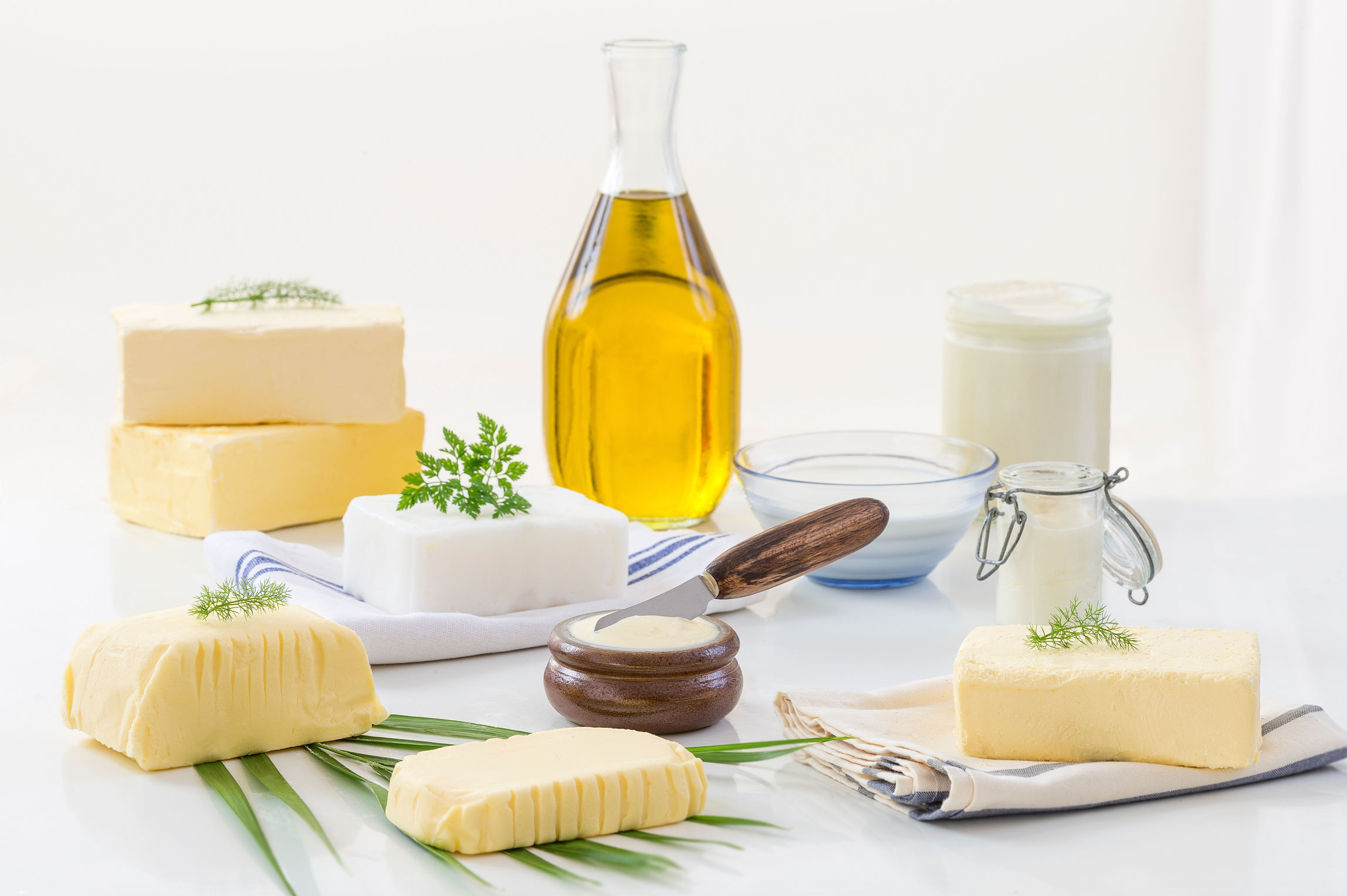
Cholesterol is a type of fat found in your blood. Your liver makes cholesterol for your body. You also can get cholesterol from the foods you eat. Meat, fish, eggs, butter, cheese, and milk all have cholesterol in them. Fruits, vegetables, and grains (like oatmeal) don’t have any cholesterol.

Cholesterol is in every cell in your body. You need cholesterol to help your brain, skin, and other organs do their jobs. But eating too much isn’t good. Cholesterol floats around in your blood and can get into the walls of the blood vessels. This can cause the blood vessels to get stiffer, narrower, or clogged. If the clogging gets worse over many years, it can cause a heart attack or stroke in adults.

Now that you know the basics, let’s learn the difference between cholesterol myth and fact. The CDC has come up with some commonly asked questions and myths and helped us to set the record straight.


Cholesterol: Myth vs. Fact

Myth: All cholesterol is bad for you.

Fact: Some types of cholesterol are essential for good health. Your body needs cholesterol to perform important jobs, such as making hormones and building cells.

Cholesterol travels through the blood on proteins called lipoproteins. Two types of lipoproteins carry cholesterol throughout the body:

  • LDL (low-density lipoprotein), sometimes called “bad” cholesterol, makes up most of your body’s cholesterol. High levels of LDL cholesterol raise your risk for heart disease and stroke.
  • HDL (high-density lipoprotein), or “good” cholesterol, carries cholesterol back to the liver. The liver then flushes it from the body. High levels of HDL cholesterol can lower your risk for heart disease and stroke.

When your body has too much LDL cholesterol, it can build up in the walls of your blood vessels. This buildup is called plaque. As your blood vessels build up plaque over time, the insides of the vessels narrow. This narrowing can restrict and eventually block blood flow to and from your heart and other organs. When blood flow to the heart is blocked, it can cause angina (chest pain) or a heart attack.

Myth: I would be able to feel it if I had high cholesterol.

Fact: High cholesterol usually has no signs or symptoms. You may not know you have unhealthy cholesterol levels until it is too late—when you have a heart attack or stroke. That’s why it’s so important to get your cholesterol levels checked at least every 5 years.1,2

Occasionally, some people develop yellowish growths on their skin called xanthomas, which are cholesterol-rich deposits. People with xanthomas may have high cholesterol levels. Learn more about getting your cholesterol checked.

Myth: Eating foods with a lot of cholesterol will not make my cholesterol levels go up.

Fact: It can be complicated. We know that foods with a lot of cholesterol usually also have a lot of saturated fat. Saturated fats can make your cholesterol numbers higher, so it’s best to choose foods that are lower in saturated fats.

Foods made from animals, including red meat, butter, and cheese, have a lot of saturated fats. Instead, aim to eat foods with plenty of fiber, such as oatmeal and beans, and healthy unsaturated fats, such as avocados, olive oil, and nuts. Learn more about healthy diets and nutrition at CDC’s nutrition, physical activity, and obesity website.

Myth: I can’t do anything to change my cholesterol levels.

Fact: You can do many things to improve your cholesterol levels and keep them in a healthy range!

  • Get tested at least every 5 years (unless told otherwise by your doctor).1,2 Learn more about cholesterol screenings.
  • Make healthy food choices. Limit foods high in saturated fats. Choose foods naturally high in fiber and unsaturated fats. Learn more about healthy diets and nutrition at CDC’s nutrition, physical activity, and obesity website.
  • Be active every day. The Physical Activity Guidelines for Americans recommends that adults get 150 to 300 minutes of moderate physical activity each week. Learn more about physical activity basics and tips.
  • Don’t smoke or use tobacco products. Smoking damages your blood vessels, speeds up the hardening of the arteries, and greatly increases your risk for heart disease. If you don’t smoke, don’t start. If you do smoke, quitting will lower your risk for heart disease. Learn more about tobacco use and ways to quit at CDC’s smoking and tobacco use website.
  • Talk with your health care provider about ways to manage your cholesterol; if any medicines are given to you to manage your cholesterol, take them as they are prescribed. Learn more about medicines to lower cholesterol.
  • Know your family history. If your parents or other immediate family members have high cholesterol, you probably should be tested more often. You could have a condition called familial hypercholesterolemia (FH).

Myth: I don’t need statins or other medicines for my cholesterol. I can manage my cholesterol with diet and exercise.

Fact: Although many people can achieve good cholesterol levels by making healthy food choices and getting enough physical activity, some people may also need medicines called statins to lower their cholesterol levels. Million Hearts also suggest that other medicines in addition to statins may be needed to help control cholesterol.

It’s important to communicate with your Health Care Provider and see what options are available as well as what medications may work best for you.


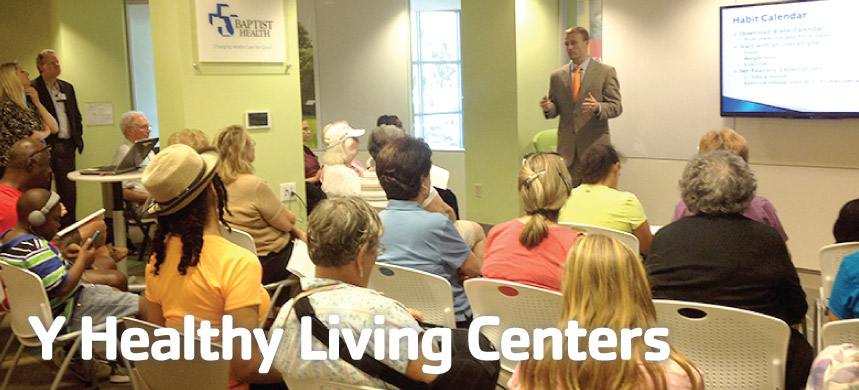
Let’s all commit to getting our cholesterol checked this year so we know our numbers and our risk for heart disease and stroke. Find your closest Healthy Living Center and have your numbers checked for free.

Learn more about Healthy Living Centers


References

Centers for Disease Control. Getting Your Cholesterol Checked. https://www.cdc.gov/cholesterol/cholesterol_screening.htm; 2020.

  1. Grundy SM, Stone NJ, Bailey AL, Beam C, Birtcher KK, Blumenthal RS, et al. 2018 ACC/AHA/AACVPR/AAPA/ ABC/ACPM/ADA/AGS/APhA/ASPC/NLA/PCNA guideline on the management of blood cholesterol: a report of the American College of Cardiology Foundation/American Heart Association Task Force on Clinical Practice Guideline. Circulation. 2018;0:CIR.0000000000000625.
  2. National Cholesterol Education Program. Third Report of the National Cholesterol Education Program (NCEP) Expert Panel on Detection, Evaluation, and Treatment of High Blood Cholesterol in Adults (Adult Treatment Panel III) Final Report. NIH Pub. No. 02-5215. Bethesda, MD: National Heart, Lung, and Blood Institute; 2002.
  3. HealthFinder.gov. Get Your Cholesterol Checked. Washington, DC: U.S. Department of Health and Human Services; 2018.

Do you know what your cholesterol number is? Do you know what your cholesterol numbers mean? If your answer is no or you aren’t that sure, then you have come to the right place. Numbers regarding our health can be confusing, but it’s also important to know some basics. At…


September 13, 2021

Recipe: Florida Fruit Salad with Honey & Lime

This dish can be perfect any time of year. Feel free to get creative and swap out the fruits listed for your seasonal favorites. It’s also a crowd pleaser and the perfect dish to take to gatherings. Serve alone, on top of a spring mix, or add to a scoop of plain Greek yogurt or your favorite vanilla ice cream for a fresh summer treat. It’s quick and convenient to make right before you eat or made a day ahead.


Florida Fruit Salad with Honey

Serves: 8          Prep time: 20 minutes

Ingredients

  •  ¼ seedless FL watermelon, peeled and diced
  • 2 FL mangoes, peeled and diced
  • 1 pint FL blueberries, rinsed
  • 2 Tbsp. FL honey
  • ¼ cup fresh mint, hand torn
  • 2 limes, juiced
  • Fresh citrus for garnish, sliced
  • 1 small pinch sea salt

Preparation

  1. In a medium-sized bowl, add lime juice, honey, and salt. Stir the juice mixture.
  2. Add the rest of the ingredients and gently toss to combine.
  3. Keep fruit salad refrigerated until ready to eat.
  4. Garnish with freshly sliced citrus.

This dish can be perfect any time of year. Feel free to get creative and swap out the fruits listed for your seasonal favorites. It’s also a crowd pleaser and the perfect dish to take to gatherings. Serve alone, on top of a spring mix, or add to a scoop of plain…


September 7, 2021

Eat Fresh Eat Local

Florida’s warm climate means we have a variety of fresh foods that have the ability to be grown year round. Florida’s First Coast is full of farm land, local seasonal fresh produce, and an abundance of farmers markets and food delivery services that offer locally farm fresh food options.

What are some benefits to eating locally grown fresh foods?

According to Michigan State University Extension Offices buying locally grown food has the following benefits:

  • Local food has more nutrients. Local food has a shorter time between harvest and your table, maximizing the amount of vitamins and minerals in your local produce.
  • Locally grown food is full of flavor. When grown locally, the crops are picked at their peak of ripeness. Providing us with a product packed full of flavor and nutrients.
  • Eating local food is eating seasonally. We are blessed to live in Florida where many of our crops can be grown year round. However, when we do eat seasonally, it provides us with a variety of nutrients and an opportunity to try new things.
  • Local food supports the local economy. The money that is spent with local farmers and growers all stays close to home and is reinvested with businesses and services in your community.
  • Local food benefits the environment. By purchasing locally grown foods, you help maintain farmland and green and/or open space in your community.
  • Local foods promote a safer food supply. The more steps there are between you and your food’s source, the more chances there are for contamination. Food grown in distant locations has the potential for food safety issues at harvesting, washing, shipping and distribution.
  • Local growers can tell you how the food was grown. You can ask what practices they use to raise and harvest the crops. When you know where your food comes from and who grew it, you know a lot more about that food.
Resource: Annual Peak Produce Chart

Interested in growing your own vegetables?

Get started with this article from Blue Zones on 7 easy-to-grow plants.

Read the article

Want to learn more about what’s right for your specific body needs? Try out our VirtuWell Coaching or consult with one of our Registered Dietitians.

Florida’s warm climate means we have a variety of fresh foods that have the ability to be grown year round. Florida’s First Coast is full of farm land, local seasonal fresh produce, and an abundance of farmers markets and food delivery services that offer locally farm fresh food options. What are…


August 26, 2021

Recipe: Garden Vegetable Soup

Want to utilize all those fresh vegetables you got from your recent trip to the farmers market? Garden Vegetable Soup is a great and healthy way to do just that. This easy recipe is full of nutrients and will leave you feeling satisfied. Check it out!


Garden Vegetable Soup

Serves: 8-10      Prep time: 10 minutes    Cook time: 6-8 hours

Ingredients

  •  8 medium carrots, peeled and sliced
  • 2 medium tomatoes, cored and chopped
  • 1 medium zucchini, chopped
  • 1 medium yellow squash, chopped
  • 1 medium yellow onion, diced
  • 1 (15oz.) can of cannellini beans, rinsed and drained
  • 1 (24oz.) jar of your favorite pasta sauce
  • 1lb lean ground beef (optional)
  • 4 cups fat free, reduced-sodium chicken broth

Preparation

Combine all ingredients in a slow cooker and cook on “low” for 6-8 hours or until beef is cooked and carrots are soft.

Make It Ahead:

  1. Combine all ingredients except the chicken broth in a freezer storage bag. Label and store in the freezer for up to 3 months.
  2. When ready to cook, thaw in the refrigerator overnight. Add thawed mixture and chicken broth to cooker and cook on “low” for 6-8 hours.

Want to utilize all those fresh vegetables you got from your recent trip to the farmers market? Garden Vegetable Soup is a great and healthy way to do just that. This easy recipe is full of nutrients and will leave you feeling satisfied. Check it out! Garden Vegetable Soup Serves:…


August 19, 2021

Why is Hydration Important?

Living in Florida, we know a thing or two about how to stay hydrated, especially during these summer months. But why is it so important to drink water specifically?

According to Harvard School of Public Health, drinking enough water each day is crucial for many reasons: to regulate body temperature, keep joints lubricated, prevent infections, deliver nutrients to cells, and keep organs functioning properly. Being well-hydrated also improves sleep quality, cognition and mood.

Our body is composed of 60% water, and it can go rather quickly. We are constantly losing water and electrolytes throughout the day via breath, sweat, urine and bowel movements, so even mild dehydration can exhaust you and affect many of your body’s daily functions. Dehydration is simply the state where more water is leaving our bodies and cells than is coming in.

Water is the best way to rehydrate and stay hydrated. One major dehydration culprit is sugar, which can be included in many of our favorite beverages including vitamin waters, sports drinks, juices and sodas.

Check out these resources below to learn more about staying hydrated:

Want to learn more about what’s right for your specific body needs? Try out our VirtuWell Coaching or consult with one of our Registered Dietitians.

Living in Florida, we know a thing or two about how to stay hydrated, especially during these summer months. But why is it so important to drink water specifically? According to Harvard School of Public Health, drinking enough water each day is crucial for many reasons: to regulate body temperature, keep…


March 31, 2021

Help Us Build Brighter Futures

By Eric K. Mann, President and CEO, YMCA of Florida’s First Coast
March 31, 2021

The events that have unfolded over this past year have dramatically impacted the world, our community, our families and our Y. We couldn’t have imagined how much things would change and how important our Y’s work would be to our community.

When the devastating effects of COVID-19 swept across the country and landed on our doorsteps, we worked tirelessly to find new ways to keep our neighbors active, healthy and connected by:

  • Providing emergency child care services for hundreds of medical workers, first responders and essential employees
  • Making hundreds of well-check calls weekly to seniors
  • Offering complimentary virtual group exercise classes and academic services
  • Distributing food and supplies to the most vulnerable

The COVID-19 pandemic has also brought to the forefront the disparities within our health system that people and communities of color face. As an organization committed to health equity, Ys are now serving as key leaders and partners in ensuring equitable access to the vaccine.

We continue to work every day to create understanding among people of diverse backgrounds and provide necessary resources that ensure all people, no matter who they are or where they come from, have the opportunity to reach their full potential with dignity.

We’re so thankful for our generous donors, volunteers, members and partners who believe the Y is a positive force in this community and have invested their time, talent and treasure to help us build a brighter future.

The need on the First Coast is still great, and the challenges we are facing won’t disappear overnight. With so much work still to be done, we are asking for your help.

A gift to the Y helps the First Coast Y – and everyone in the communities we serve – shine. Here’s what you can help make possible with your support:

  • You nurture kids with safe places to learn, play and thrive.
  • You empower teens with character building activities, college and career readiness, leadership skills and positive guidance.
  • You save lives through swim lessons and prevention programs that help people fight disease and live a healthier life.
  • You keep seniors young with fitness programs that connect them to others, strengthen their bodies and keep their minds sharp.
  • You help others. Every dollar donated has an immediate impact locally.

Donate Today

Throughout our 112-year history on the First Coast, never has it been more apparent that the Y is not a building. We’re people – from all backgrounds – who want to improve our lives, nurture our families and strengthen our community, together.

By Eric K. Mann, President and CEO, YMCA of Florida’s First Coast March 31, 2021 The events that have unfolded over this past year have dramatically impacted the world, our community, our families and our Y. We couldn’t have imagined how much things would change and how important our Y’s…


February 26, 2021

COVID-19 VACCINES: Accurate Information, Equitable Access

Published February 2021 – YMCA OF THE USA

Throughout the COVID-19 crisis, the Y has worked diligently to meet the most pressing needs of the 10,000 communities we serve across the United States, especially those that have been hit hardest by the pandemic. By providing child care to essential workers and first responders, feeding families facing food insecurity, connecting with seniors who are isolated, housing people who are homeless and supporting children learning virtually, the Y has worked to make sure everyone in our communities has access to the resources they need.

As the COVID-19 vaccines begin reaching the broader population, now the Y is working to ensure that everyone has equitable access to accurate information about the vaccines and to the vaccines themselves, especially Black and Brown communities, which have been disproportionately affected by the health and economic impacts of the virus.

Ys across the country are committed to providing vaccine education, and many have offered to serve as vaccine distribution sites. YMCA of the USA is supporting these efforts and joining several national health and community-serving organizations in distributing accurate information to our communities and calling for equitable distribution of the COVID-19 vaccines.

VACCINE FINDER
ADDITIONAL VACCINE INFORMATION & RESOURCES

Free Online Event
COVID-19 Vaccine Myth-busting | Co-hosted by First Coast YMCA

March 5
1:00pm

First Coast YMCA Facebook

Join Baptist Health’s Executive Vice President and Chief Physician Executive Elizabeth Ransom, MD, FACS to distinguish fact from fiction when it comes to the COVID-19 vaccine. Dr. Ransom will cover:
• Pfizer vs. Moderna
• How does the vaccine work?
• Common side effects
• Vaccine safety
• COVID-19 vaccines and pregnancy
• COVID-19 variants and the vaccine

Published February 2021 – YMCA OF THE USA Throughout the COVID-19 crisis, the Y has worked diligently to meet the most pressing needs of the 10,000 communities we serve across the United States, especially those that have been hit hardest by the pandemic. By providing child care to essential workers…


February 8, 2021

Building a Brighter Future

The Florida Times-Union Guest Column published February 7, 2021

Eric K. Mann, President & CEO, YMCA of Florida’s First Coast
Doug Baer, Chair of the Board of Directors, YMCA of Florida’s First Coast

A New Year is always filled with the promise of positive change, and following the sudden disruption of 2020, there is even more anticipation and hope for what 2021 will bring. Like many of our neighbors, other businesses and organizations, the First Coast YMCA continues to face financial hardships in the face of the COVID-19 crisis. We remain steadfast in our work to build a brighter future for all, and are so grateful for the support of those who recognize our deep commitment to strengthening this community.

At the end of 2020, in the midst of immense challenges, billionaire philanthropist MacKenzie Scott surprised the First Coast YMCA with an unrestricted $10 million gift. This substantial contribution is a testament to the trust we have earned through our unwavering service to generations of families on the First Coast. We are humbled and thankful for her generosity. To uphold both Ms. Scott’s confidence, and that of all of our donors, our leadership team and Metropolitan Board of Directors diligently deliberated over the allocation of this gift.

Like many nonprofits, the Y found itself with limited cash reserves in the wake of the pandemic after temporarily closing our doors to help prevent the spread of the coronavirus. To ensure operational continuity, our stewardship of this gift will focus on bolstering our financial foundation to sustain and amplify our impact now and in the future.

Support from our community enabled us to do so much for our neighbors in 2020. We provided emergency child care, kept the community connected through free virtual workouts and events, helped combat senior isolation, fed those who were hungry and increased educational equity through local partnerships. We are tremendously grateful for those who supported this work and we’re committed to doing even more by assigning a portion of Ms. Scott’s gift to the Y’s newly-created Endowment Fund. This fund will primarily be used to support critical programs that require yearly contributions to survive.

The Y is not a building, our facilities are the conduit that helps us deliver on our promises to empower young people, improve health and well-being and inspire action. Ms. Scott’s gift will enable the Y to make improvements to maintain, preserve and extend the life of our existing locations as we explore new opportunities in high-growth areas to reach more people across the communities we serve. These investments will help us provide greater support for branches and programs in our region’s under-resourced neighborhoods.

We know challenges lie ahead, but we remain vigilant in providing services and programs that transform lives. Sustaining the Y’s mission long-term is not possible without continued support from our community members and generous donors. As we move into this new season, we invite you to join in making a difference with us at FCYMCA.org.

The Florida Times-Union Guest Column published February 7, 2021 Eric K. Mann, President & CEO, YMCA of Florida’s First Coast Doug Baer, Chair of the Board of Directors, YMCA of Florida’s First Coast A New Year is always filled with the promise of positive change, and following the sudden disruption…


February 2, 2021

YMCA Free Digital Library

Play, Exploration, and Learning for Families, Toddlers, and K-6 Students Across Florida

Age of Learning has partnered with the Florida House of Representatives to support the New Worlds Reading Initiative.

Come read with us! All Florida families now have free access to quality literary resources through access to Reading IQ. Reading IQ is designed by experts with industry standard leveling to make it easy to find the perfect book from pre-school to 6th grade.

Studies show that creating a steady stream of new, age-appropriate books has been shown to nearly triple interest in reading within months and children who are read to at least three times a week by a family member are almost twice as likely to score in the top 25% in reading compared to children who are read to less than 3 times a week.

To access thousands of books:

  • Visit ReadingIQ.com/NewWorlds
  • Select “Create Your Free Account”
  • Email your email and create a password
  • Complete a brief survey
  • Add your child/ren to the account by entering their name and reading level
    • Your child can also take a Reading Level Assessment to get customized book selections
  • Start reading!

At the Y, we believe literacy is a key pillar in our youth development work.

Play, Exploration, and Learning for Families, Toddlers, and K-6 Students Across Florida Age of Learning has partnered with the Florida House of Representatives to support the New Worlds Reading Initiative. Come read with us! All Florida families now have free access to quality literary resources through access to Reading IQ….


January 26, 2021

High Honors for First Coast YMCA Employees

We are so proud of our First Coast YMCA leaders recently honored by their peers for their individual accomplishments and leadership that strengthens the YMCA movement.

Every year, Florida’s YMCA Professional Network (YPN) recognizes members for their positive impact on community, leadership and creativity. This year’s winners are more than deserving of their awards. We can’t thank them enough for their hard work and love for the Y!

YMCA Legacy Award – Tammy Miller


Tammy began her YMCA career at the Martin County YMCA in Stuart, Florida in 1987. Over the course of 11 years, she worked in wellness, sports, camps, aquatics, membership, and childcare and achieved an Associate Director role based on her contributions. She joined the First Coast in 1998 as the Executive Director of the St. Augustine Family YMCA and then moved to the Risk Management department and now serves as SVP of Risk Management. Her achievements include being named the First Coast YMCA’s Employee of the year in 2009. Most recently, Tammy has played an integral role in ensuring the safety of all everyone at the Y by co-leading the task force responsible for developing and implementing COVID-19 protocols. Tammy has a bachelor’s degree in Physical Education and a Master’s in Exercise and Sports Science.


Outstanding Director of the Year – Candace Burrows


Candace joined the First Coast YMCA in July 2012 and oversees the association’s Day Camp programming, totaling 28 sites with thousands of campers each summer. Candace also leads our Before and Afterschool child care in Duval and Nassau counties. She is key at connecting the Y with great community partners to ensure all kids have access to resources to learn, grow and thrive. In March 2020, Candace helped lead the transformation our youth serving sites with all new COVID-19 protocols to ensure safe spaces for children, parents and staff. Candace holds a bachelor’s degree in Sports Management with a minor in Business Administration, a Director’s Certification from the Department of Children and Families, and a YUSA Multi-Team Leader Certification.


Developing Others Award – John Lyon


John’s career at the YMCA has spanned over 30 years, starting as a Camp Director in Round Rock, TX all the way to V.P. of Operations and Executive Director in St. Augustine. Since joining the First Coast YMCA, John’s main priority has been to build strong, impactful leadership teams. Of the five individuals benefitting from John’s leadership, 80% are women and 40% are diverse employees. John is involved in the Rotary Club, Kiwanis and completed Leadership Kingsport and Leadership Round Rock. He holds a bachelor’s degree in Business Management and a YUSA Team Leader Certification.


Emerging Leader Award – Shermayne Reynolds


Shermayne started her career at the Y at the Wilson Family YMCA in Augusta, GA and joined the First Coast Y in 2019 as a Youth Development Program Director. She is extremely dedicated to the Y’s cause, especially nurturing the potential of all children. She brings quality-driven and innovative ideas to our team. For example, she developed the Teen Maze Program in one of our partner schools to give students a broader understanding of what life is like outside of school. Shermayne has a master’s degree in Management and Leadership. She serves as a Community Youth Advisor and was selected as a co-leader of the First Coast YMCA’s Diversity, Equity and Inclusion Task Force.

We are so proud of our First Coast YMCA leaders recently honored by their peers for their individual accomplishments and leadership that strengthens the YMCA movement. Every year, Florida’s YMCA Professional Network (YPN) recognizes members for their positive impact on community, leadership and creativity. This year’s winners are more than…